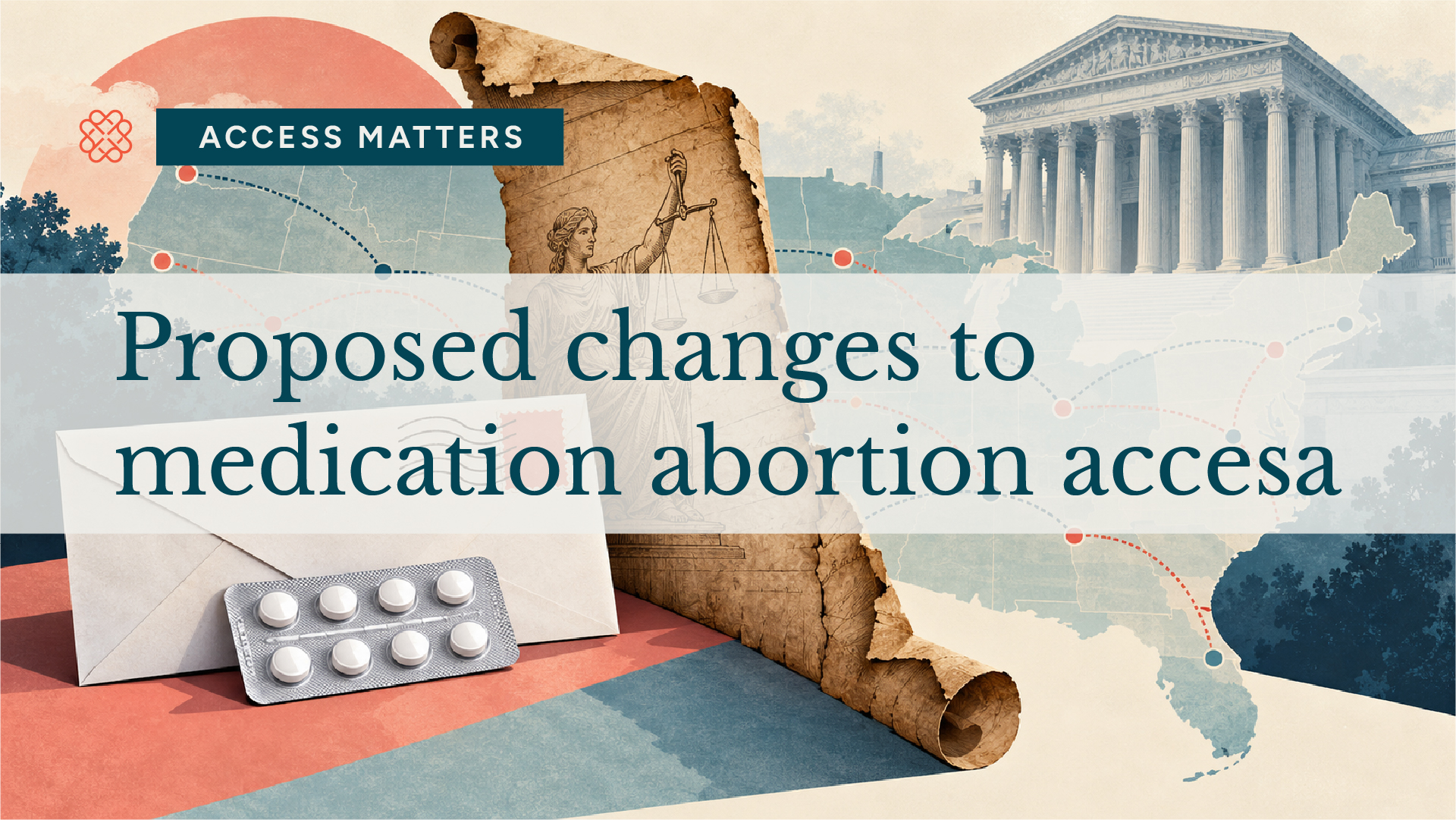

Three states have launched a new legal challenge against laws that protect healthcare providers offering abortion care across state lines. Although the cases focus on protections in New York, Massachusetts and California, their outcome could affect patients in Iowa and other states where abortion access is restricted.
What are abortion shield laws?
After the U.S. Supreme Court overturned Roe v. Wade, some states adopted laws intended to protect reproductive healthcare that remains legal within their borders.
The protections vary by state, but shield laws may:
- Prevent state agencies from assisting another state’s investigation.
- Limit the enforcement of out-of-state subpoenas or judgments.
- Protect providers from professional discipline based on another state’s abortion laws.
- Restrict extradition for healthcare that is legal in the provider’s state.
- Protect certain providers who prescribe abortion medication through telehealth to patients in states with bans or restrictions.
Eight states currently extend protections to telehealth abortion providers regardless of where the patient is located.
What are the new lawsuits challenging?
Louisiana, Alabama and Arkansas filed two related cases in September 2026.
One asks the U.S. Supreme Court to allow a lawsuit against New York, Massachusetts and California to proceed. The states argue that shield laws prevent them from enforcing their abortion restrictions and interfere with their authority within their own borders.
A separate federal lawsuit targets individual providers and organizations accused of prescribing or sending abortion medication into states with bans.
The states defending shield laws argue that one state should not be able to punish healthcare providers for care that is legal where those providers practice.
These cases are still in their early stages. The Supreme Court has not agreed to hear the state-to-state case, and no court has invalidated the shield laws.
Why does this matter in Iowa?
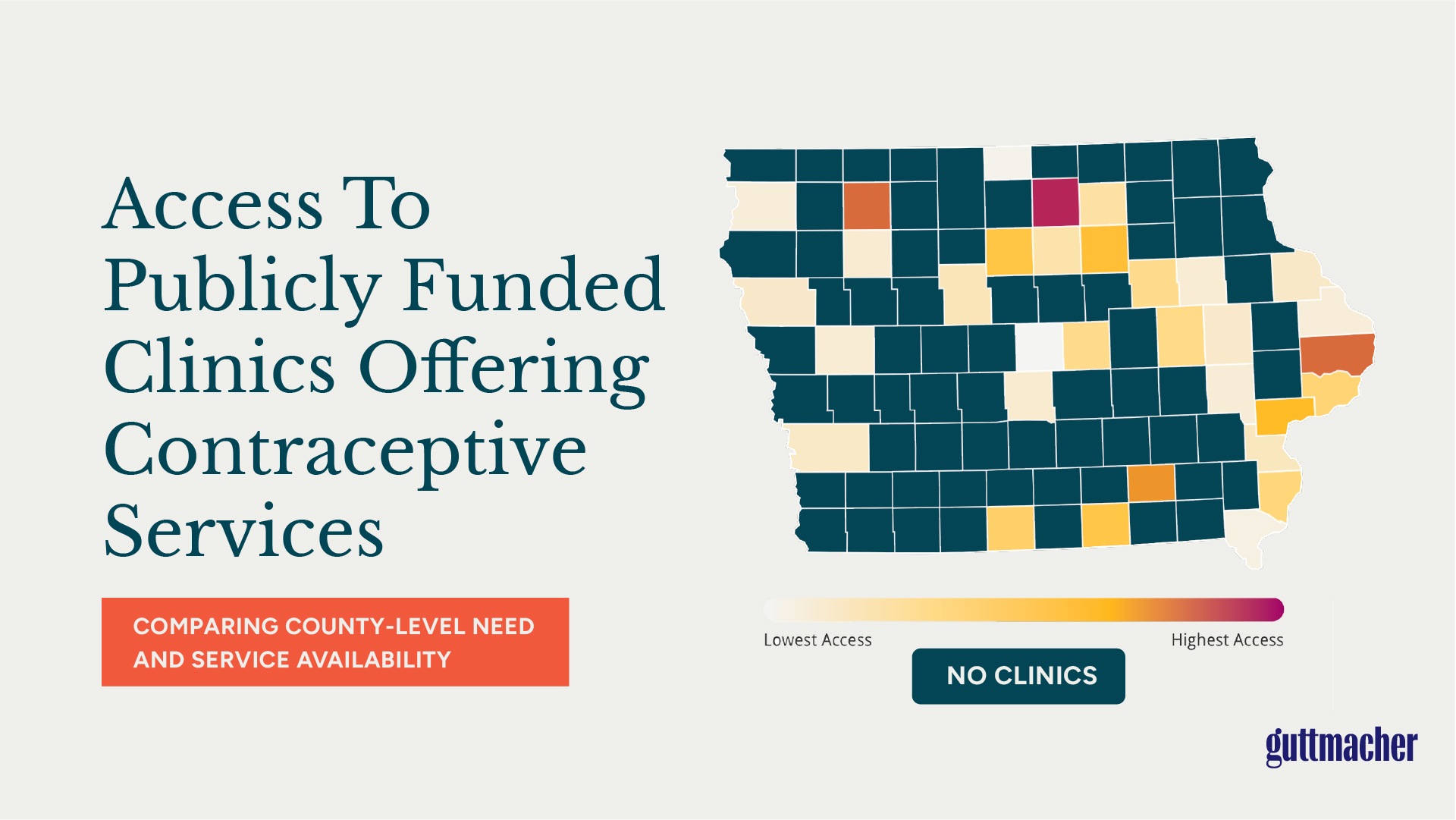
Iowa restricts abortion early in pregnancy. Additional requirements enacted through House File 2788 took effect July 1, 2026, requiring abortion medication provided in Iowa to be prescribed in person and dispensed in a healthcare setting.
Previously, an Iowan could receive abortion medication by mail after a telehealth appointment with an Iowa provider. The new law eliminated that option for Iowa-based care.
Some Iowans may still obtain telehealth care from providers working under the protections of another state’s shield law. Those providers can offer an alternative for patients who face:
- Long distances to the nearest clinic.
- Limited appointment availability.
- Work, childcare or transportation barriers.
- The costs associated with traveling outside Iowa.
To understand Iowa’s new medication-abortion requirements, read our 2026 legislative-session recap and Why Mailing Mifepristone Is Being Targeted.
How important is shield-law care?
Telehealth is now a substantial part of abortion care in the United States.
The Society of Family Planning estimates that more than 300,000 abortions were provided through telehealth during 2025. By December 2025:
- Telehealth accounted for 29% of abortions in the formal U.S. healthcare system.
- More than half of telehealth abortions were provided under shield-law protections.
- Providers working under shield laws supplied nearly 15,000 abortions each month.
These estimates do not include abortions obtained outside the formal healthcare system.
What could happen if shield laws are weakened?
If the lawsuits succeed, providers could face greater exposure to:
- Civil lawsuits or financial penalties.
- Criminal investigations.
- Extradition demands.
- Subpoenas seeking patient or prescription information.
- Professional licensing consequences.
The cases could also affect clinics, pharmacies, abortion funds, patient navigators and other organizations involved in helping patients find care.
Even before a final ruling, prolonged litigation may create a chilling effect by making providers or organizations more hesitant to offer services across state lines.
Are these lawsuits the same as the Comstock Act debate?
No. They are related, but legally distinct.
The shield-law lawsuits concern conflicts between states: whether a state with an abortion ban can reach providers operating under another state’s protections.
The Comstock Act is a federal law. A broader federal interpretation could potentially restrict abortion medication and supplies in the mail nationwide, including in states where abortion is legal.
State shield laws may provide some protection from other states, but they cannot necessarily prevent federal enforcement.
Read What Is the Comstock Act and Could It Restrict Abortion Medication by Mail? for a closer look at that issue.
What happens next?
The Supreme Court must first decide whether it will allow the state-to-state lawsuit to proceed. The separate lawsuit against providers will move through the federal court system unless it is dismissed or resolved earlier.
For now:
- The cases remain pending.
- No court has eliminated the targeted shield laws.
- No nationwide change to medication-abortion access has taken effect because of these lawsuits.
For Iowans, however, the cases are worth watching. Their outcome could help determine whether patients can continue accessing legal telehealth care from providers outside Iowa—and whether those providers can offer that care without being punished by another state.
Sources
- Guttmacher Institute: Shield Laws Related to Sexual and Reproductive Health Care
- Associated Press: Three states challenge abortion shield laws
- Georgetown Law Health Care Litigation Tracker: Louisiana v. Nouhavandi
- New York Attorney General: Statement on the Supreme Court shield-law challenge
- Society of Family Planning: #WeCount 2025 Report
- Iowa Legislature: House File 2788
- Iowa Public Radio: Iowa’s medication-abortion restrictions take effect
For more reproductive rights information and updates on Iowa healthcare access, visit our resources page or sign up for our newsletter.
Empower change.
Sign up for our newsletter and stay informed on reproductive healthcare issues in Iowa.